
TOKYO - HIROSHIMA - BEPPU - FUKUOKA - KYOTO - OSAKA
Japan
Japan gave our family quiet shrines, bright city days, very good food, countless crane games, and more walking than the trains made us expect.
QUICK LINKS / TL;DR
The useful details first.
Itinerary: 21 days: Tokyo → Hiroshima → Beppu → Fukuoka → Kyoto → Osaka → Kyoto
Where we stayed: We used a Nakano Airbnb in Tokyo and Caption by Hyatt in Osaka: Nakano Airbnbs · Nakano stays on Booking.com · Caption by Hyatt Namba Osaka
What we packed: The gear we were glad to have: Compact umbrella · External charger · Packing cubes · Luggage straps
What we ate: Places preserved in our trip notes: Kailaku · Shogun Pizza · Pizzeria Cucina · French Toast Factory
Book ahead: These are the reservations and transport links we would open first: teamLab Planets · Pokemon Cafe · Beppu Sand SPA · SmartEX bullet trains
Packing links are Amazon affiliate links; we may earn a commission at no extra cost to you. Affiliate Disclosure
OUR TRIP, BY PLACE
Choose a stop from our route.
Open a location for the part of the trip we remember, the practical details that mattered, and the changes we would make next time.
5 DAYS - OUR VERDICT: 10/10
Tokyo is a lot, and we loved it.
Tokyo is enormous in a way that becomes clear only after taking the correct train and still walking a long distance inside the station. We averaged around 20,000 steps, chose the wrong exit more than once, and barely scratched the surface in five days.
Staying in Nakano helped. It gave us a quieter neighborhood to return to instead of placing every morning and evening in the busiest part of the city. Nakano Broadway and the surrounding restaurants became part of the trip rather than attractions we had to cross town to reach.
Our arrival day was appropriately unimpressive: Narita, trains, luggage, an Airbnb, dinner and snacks from 7-Eleven, and bed at about 6:30 p.m. That early surrender meant we could use the jet lag for an early teamLab Planets reservation the next morning.
What five family days actually looked like
The early teamLab entry was one of our better decisions. Afterward, we ate sushi at Toyosu Senkyaku Banrai, continued to DiverCity to see the giant Gundam, and ate tonkatsu before another very early night. We did not fight jet lag with an expensive evening reservation, and nobody missed it.
Ikebukuro and Sunshine City gave the kids crane machines, gashapon, shopping, enormous gyoza and ramen at Kailaku, and enough indoor activity to make a full day. Harajuku was different. Meiji Shrine and its forest were a welcome start, but the crowds in Harajuku and Shibuya PARCO wore us down. A two-hour break at the Airbnb saved the evening, and Nakano Broadway's figure shopping was much more enjoyable for us.
The final day is useful mainly as evidence of what not to combine. Tokyo Station, Character Street, a difficult restaurant hunt, Asakusa, Skytree, Ginza, Akihabara, French toast, more crane games, the Shinjuku 3D cat, and Godzilla pushed us beyond 22,000 steps. Croissants and Pocari Sweat restored order at one point. We had fun, but Tokyo Station and Asakusa should have been one day; Ginza, Akihabara, and Shinjuku should have been another.
What worked here
A real neighborhood base: Nakano made mornings calmer and placed excellent figure shopping close to home.
Early high-demand reservations: teamLab fit the hours when our bodies were already awake.
Strategic rest: Leaving a crowded district for two hours protected the part of the day we still wanted to enjoy.
Plan around this
Plan connected areas: A train does not erase station walking, transfers, or the time spent finding the right exit.
Save precise restaurant details: A name, floor, nearest landmark, and screenshot are more useful than a pin inside Tokyo Station.
Set the arcade budget first: The next crane-machine attempt always looks more reasonable after money is already in the machine.
Our take: Tokyo was a 10/10 family trip: tiring, funny, occasionally overwhelming, and worth every step. We would keep Nakano and the early reservations, split the overloaded final day, and accept that five days is an introduction rather than a complete visit.
HALF-DAY STOP - A MUST-DO
Hiroshima deserves more than a photo stop.
We included Hiroshima as a deliberate afternoon stop while traveling from Tokyo toward Beppu. It made a long rail day more complicated, but it also gave us one of the most important experiences of the trip.
The Peace Memorial Museum, Peace Memorial Park, and Atomic Bomb Dome belong together. The museum gives the history and individual human stories. The park and dome return that history to the physical place where it happened.
It is a difficult visit. That is not a reason to reduce it to a photograph or hurry through the exhibits before a train. We let it be the only sightseeing commitment of the day and continued to Beppu afterward.
How we would protect this stop
We would leave Tokyo early enough to give Hiroshima several focused hours. A half-day can work when the route is clear, but it should include margin before the onward train rather than treating the museum like an airport lounge.
With children, we would prepare them for the subject without scripting how they should react. The material is emotional and at times graphic. Families know their own children best, and the museum's current guidance can help set expectations before arrival.
After the park and dome, the evening train was enough. The route continued by Shinkansen toward Kokura and then by limited-express train to Beppu. We would not add another attraction, complicated dinner hunt, or tight connection to that evening.
What worked here
One connected visit: The museum, park, and dome gave one another context.
A real block of time: Several focused hours kept the rail schedule from dictating the emotional pace.
A simple evening: Continuing to Beppu was the only remaining demand we placed on the day.
Plan around this
Do not schedule by train time alone: Station transfers and the museum visit both need margin.
Prepare without manufacturing a reaction: Give children honest context and room to process it in their own way.
Carry only what the stop requires: A travel-day visit is easier when luggage handling is settled before entering the memorial area.
Our take: Hiroshima should be included because the history matters, not because it is another pin on the route. A focused half-day worked for us, but more time would not be wasted.
BEST AS AN OVERNIGHT STOP - WE WOULD RETURN
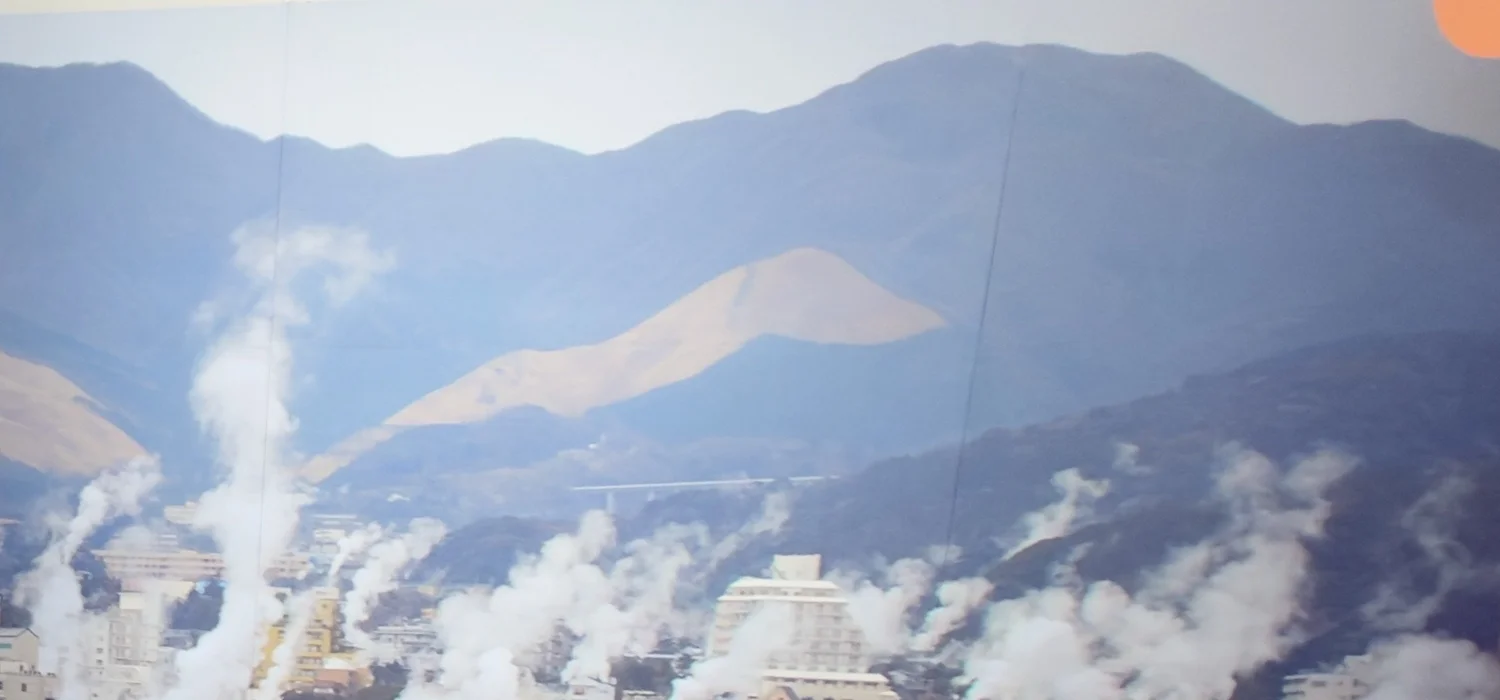
Hot sand made Beppu one of our strangest, best stops.
We paid to be buried up to our necks in hot sand. It was seriously hot, much heavier than I expected, and I would do it again.
Beppu is a coastal hot-spring city on Kyushu. After Tokyo's crowds and long walking days, we did not need another city with a long attraction list. We came for the geothermal water, sand bath, and onsen, and we let those experiences be enough.
Getting there required a real piece of the route. After Hiroshima, the Shinkansen took us to Kokura and a limited-express train continued toward Beppu. This is not a detour we would make for a few rushed hours.
What the sand bath and onsen were actually like
At our facility, we changed into the clothing provided, lay down, and were covered until only our heads remained exposed. The heat was obvious. The pressure of the sand was the surprise. Even our kids tried it, and the onsen included afterward felt especially good once the sand had done its work.
Facilities differ, so we would confirm the reservation, age rules, tattoo policy, mixed-family options, towels, clothing, and whether an onsen is included before building the day. If the sand bath is the reason for traveling to Beppu, hoping for a convenient walk-in time is not much of a plan.
The seven Hells are geothermal features for viewing, not bathing. We do not think every family needs to collect all seven. We would choose the ones that look most interesting, use the buses to reach the spread-out areas, and protect enough time for the bath that brought us there.
Our meals were fine, not memorable. That was probably a planning problem. Next time, dinner research would happen immediately after the sand-bath reservation, with one open backup near the hotel.
What worked here
The signature experience first: The sand bath and onsen justified the detour for our family.
A selective Hells route: Choosing a few left time for the experience we cared about most.
An overnight pace: Beppu worked because we did not arrive and leave between baths.
Plan around this
Confirm facility rules directly: Tattoo, child, clothing, towel, bathing, and private-room policies are not universal.
Add transport margin: The Kokura transfer and local buses matter when an appointment has a fixed start.
Save dinner and a backup: Beppu was not a place where our family could rely on finding the right meal by accident.
Our take: Beppu is worth the travel when the onsen and sand bath are the point. We would make it at least an overnight stop, reserve the heat before the hotel, and plan dinner better next time.
2 VISITS - OUR VERDICT: 10/10
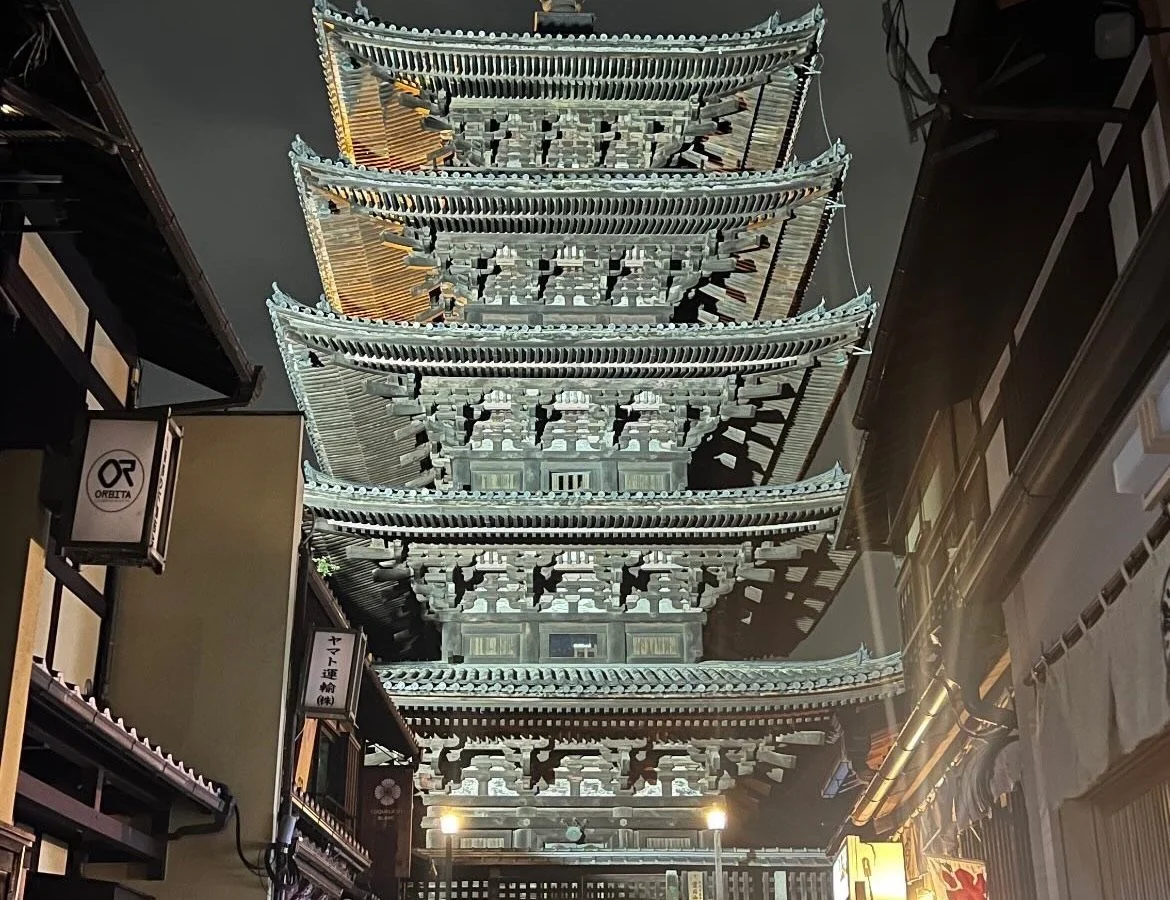
Kyoto is the city we keep returning to.
We have been to Kyoto twice, and the second visit did not feel like a repeat. The famous places still mattered, but we were less worried about completing the first-trip list and more willing to follow a street because a shop, cafe, or open gate caught our attention.
Kyoto is not a quiet historic set. Fushimi Inari and Arashiyama can become shoulder-to-shoulder crowded, buses fill, and people live and work on the same streets visitors are photographing. What we loved was how quickly that could change. A turn away from a busy site could put us on a nearly empty street with small local businesses.
The final return to Kyoto before flying home confirmed what we liked. Familiar restaurants, streets we already understood, and a slower last stretch felt better than ending the trip with another hotel move and a brand-new checklist.
How we would use three or four days
We would still go to Fushimi Inari and Arashiyama. They are popular because they are worth seeing. We would also arrive properly early, not ten minutes before lunch, or use the quieter part of the day after many day-trippers have left.
Each day would stay on one side of the city or within one connected area. We used buses more here than in Tokyo or Osaka, and a full bus can erase an optimistic route estimate. A hotel that makes the actual walking and bus pattern easier is worth more than a small nightly savings across town.
The unscheduled hours need protection. Some of our favorite Kyoto time came from entering a small shop, following a street, or stopping because something smelled good. That does not happen when the next timed entry is on the other side of the city.
Nara can work as a day trip, but it deserves the day. If three Kyoto days already feel crowded, we would save Nara for another visit rather than make both places feel unfinished.
What worked here
Returning without a greatest-hits list: The second visit gave small streets and shops enough room to matter.
A base chosen by real routes: Walking and bus access protected the beginning and end of each day.
A quiet final stop: Returning before the airport gave the long trip a calm finish.
Plan around this
Start with three or four days: More time is useful; one rushed temple marathon is not.
Choose connected areas: Bus crowds and cross-city transfers should shape the plan before reservations do.
Give Nara a real day: Add it only when the Kyoto schedule can absorb the time.
Our take: Kyoto was a 10/10 on both visits. We would see the icons early, use the buses without pretending they are instant, and leave enough blank time for the parts of the city we cannot name in advance.
IDEAL STAY: 2-3 DAYS
Osaka is bright, busy, hungry, and best in a shorter stay.
Osaka felt a little like Las Vegas to us: bright, commercial, crowded, and full of things competing for attention. That is both a compliment and a warning.
We liked the food, covered shopping streets, enormous malls, arcades, and nighttime energy. We also reached our limit faster than we did in Kyoto. Osaka was not our favorite Japanese city, and it did not need to be.
Caption by Hyatt Namba Osaka in Nippombashi was the right base for the way we traveled. We could walk to Namba, Dotonbori, restaurants, and shopping, then reach useful train lines when the day moved farther away.
Why the city and day-trip mix worked
Food halls inside malls and department stores were especially useful for our family. Everyone could choose something different, and the quality was far beyond what the phrase mall food suggests at home. Takoyaki and okonomiyaki deserved attention, but they were only the beginning.
At several smaller restaurants, each person was expected to order an individual item or meal. That was our experience, not a rule for every restaurant. We now look for posted minimums before the whole family sits down hungry.
Dotonbori is worth seeing after dark if the signs and crowd are part of the reason for going. It will still be crowded. We had a better time once we stopped looking for a secret empty version of it.
The days outside the busiest center made the stay better. Minoh Falls and Katsuo-ji gave us nature and temple grounds; Himeji Castle and Koko-en gave us history and gardens. We would use two or three days for Osaka itself, then add quieter day trips as separate days rather than pretending they fit between shopping stops.
What worked here
A Namba-area base: Food, evening streets, and useful trains were close enough to reduce daily friction.
Department-store food halls: They solved different appetites without lowering the quality of the meal.
Quieter day trips: Nature, temples, castles, and gardens balanced Osaka's commercial intensity.
Plan around this
Group each day by area: Osaka is large enough to turn poor geography into hours of station time.
Check ordering rules first: Small restaurants may have a per-person minimum or limited room for a large group.
Count city and day-trip days separately: Five nights can still mean only two or three days in Osaka itself.
Our take: Osaka was worth seeing for two or three city days, especially from Namba, with separate time for a quieter outing. We would go again, eat very well, and leave before the constant energy stopped being fun.
WHAT WORKED
We would keep these parts.
Fewer hotel moves: Longer stays in Tokyo, Kyoto, and Osaka made the 21-day route feel much more manageable.
Location before award value: Nakano, walkable Kyoto routes, and Namba improved the next morning more than a theoretical points bargain.
Luggage forwarding: Moving the bags separately made long rail transfers and intermediate stops easier on the family.
Convenience stores as infrastructure: Breakfast, snacks, drinks, and an occasional exhausted dinner kept small problems from becoming schedule changes.
WHAT WE WOULD CHANGE
A better version of the same trip.
Treat Fukuoka as part of the onward transfer: We left Beppu, used Fukuoka as a stop, and continued to Kyoto without doubling back.
Protect recovery time: Early Tokyo bedtimes and the Kyoto return were strengths we would plan deliberately next time.
Use day trips as full days: Nara, Himeji, Minoh, Katsuo-ji, and Fukuoka should not disappear inside a city-day total.
Shorten the attraction inventory: A few confirmed highlights and the decisions behind them are more useful than a list that implies everything happened at the same pace.